
The short answer
Security cameras are legal, with limits
Ontario businesses can generally use security cameras for a clear purpose such as preventing theft. Commercial organizations should follow Canada's federal privacy law, PIPEDA: collect only what is needed, tell people before they enter, keep footage secure and delete it when it is no longer needed. Audio and private areas carry extra legal risk.
This is a plain summary for property owners and managers, not legal advice. Rules depend on who you are and what the camera captures, so ask a lawyer about your own situation, especially before recording audio or watching staff.
The rules at a glance
Which rule covers what
| Issue | Where it comes from | What it means for you |
|---|---|---|
| Customers and the public on camera | Privacy Commissioner guidelines under PIPEDA | Have a specific reason, limit what cameras see and post notice |
| Recording conversations | Criminal Code, section 184 | Do not capture private conversations without the consent the law requires |
| Washrooms and similar areas | Privacy Commissioner guidelines; Criminal Code, section 162 on voyeurism | No cameras where people expect a high degree of privacy |
| Monitoring employees | Ontario Employment Standards Act | Employers with 25 or more employees on January 1 need a written policy by March 1 |
Checklist
Ten steps from the Privacy Commissioner's guidelines
The federal guidelines for overt video surveillance in the private sector were written for cameras that watch the public in places open to the public. They are a practical checklist for most stores, plazas and commercial buildings.
- Check whether something less intrusive would solve the problem
- Set one clear business reason and use footage only for that reason
- Write a video surveillance policy
- Limit where cameras point and when they run
- Tell people about the cameras before they enter
- Store recordings securely and delete them when no longer needed
- Be ready to answer questions about who is watching and why
- Give people access to footage of themselves, protecting others in it
- Train the people who operate the cameras
- Review regularly whether the cameras are still needed
Placement
Where cameras can cause problems
- Private spaces: no cameras in washrooms, change rooms or similar places.
- Windows: do not aim cameras into homes or neighbouring units.
- Beyond your property: narrow the view or mask areas you do not need, such as the sidewalk or a neighbour's yard.
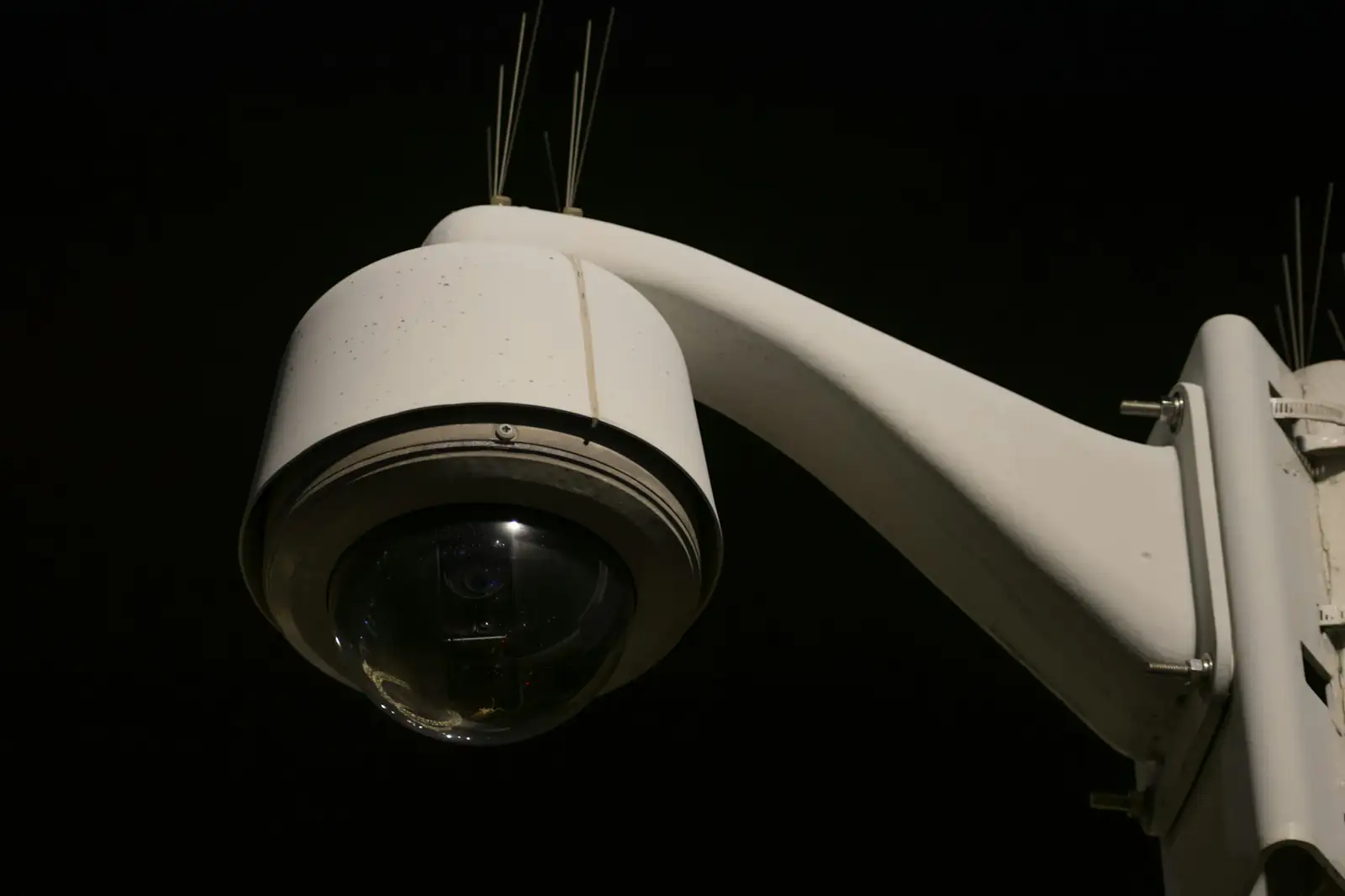
- Adjustable cameras: make sure a PTZ camera cannot be turned toward a private area.
Signs
What a security camera sign should do
The guidelines say notice should be clear and understandable, and should come before people enter, so they can decide whether to go in. A sign should give a contact for questions or requests for footage. A useful sign says:
- This property is under video surveillance
- Why: for example, the safety of people and the protection of property
- Who to contact, with a phone number or email
Audio is the part to be careful with
The Privacy Commissioner advises against recording sound unless there is a specific need. Section 184 of the Criminal Code also makes it an offence to knowingly intercept a private communication by device, with exceptions that include consent from a person taking part in it. A camera microphone left on near a staff room or a customer counter can create a problem that the video alone would not.
A talk-down speaker is different: it carries an operator's voice out to the site. If your system also has microphones, ask a lawyer before turning them on.
Live monitoring
What these rules mean for monitored cameras
Live monitoring puts another organization in the chain, so settle these points before it starts.
Write down the purpose
State what operators watch for, during which hours, and what they do when they see it.
Limit recording
The guidelines say that where a camera is monitored live, recording should happen only when unlawful activity is suspected or observed. Discuss how that fits your site.
Control access
Agree who can see live video and clips, how they are stored and when they are deleted.
See how our remote video monitoring works, and how we handle information in our privacy policy.
FAQ
Security camera law questions
Is it legal to have security cameras at my business in Ontario?
Generally, yes, when you have a clear purpose such as preventing theft and keep the cameras to what that purpose needs. Commercial organizations should follow PIPEDA and the Privacy Commissioner's guidance, avoid private areas and tell people that cameras are in use.
Do I need a sign for security cameras in Ontario?
For cameras that capture the public, the Privacy Commissioner's guidelines say people should get clear notice before they enter, along with a contact for questions. Posting signs at each entrance is the straightforward way to do that.
Can security cameras record audio in Canada?
Audio carries more risk than video. The Privacy Commissioner advises against recording sound without a specific need, and the Criminal Code restricts intercepting private communications. Get legal advice before enabling microphones.
Can my employer watch me on camera in Ontario?
Workplace cameras are common, but the rules depend on the employer and the purpose. Ontario employers with 25 or more employees on January 1 need a written electronic monitoring policy by March 1. That rule requires disclosure. It does not by itself approve or ban any particular monitoring.
How long should security camera footage be kept?
The federal guidelines do not set one number for every business. They say to keep recordings only as long as the purpose requires, then destroy them securely. Set a period in your written policy and keep clips longer only when they are needed for an incident.
Can someone ask to see footage of themselves?
Yes. Under the guidelines, individuals can ask for access to images of themselves. When you release footage, mask or otherwise protect other people shown in it, and document any disclosure outside your organization.
Free site quote
Plan cameras with privacy in mind
Tell us about the property and what you need to protect. We reply within one business day with a monitoring plan and price.
- Toll free1-877-887-7110
- Office905-761-9992
- Emailinfo@supremesurveillance.com