
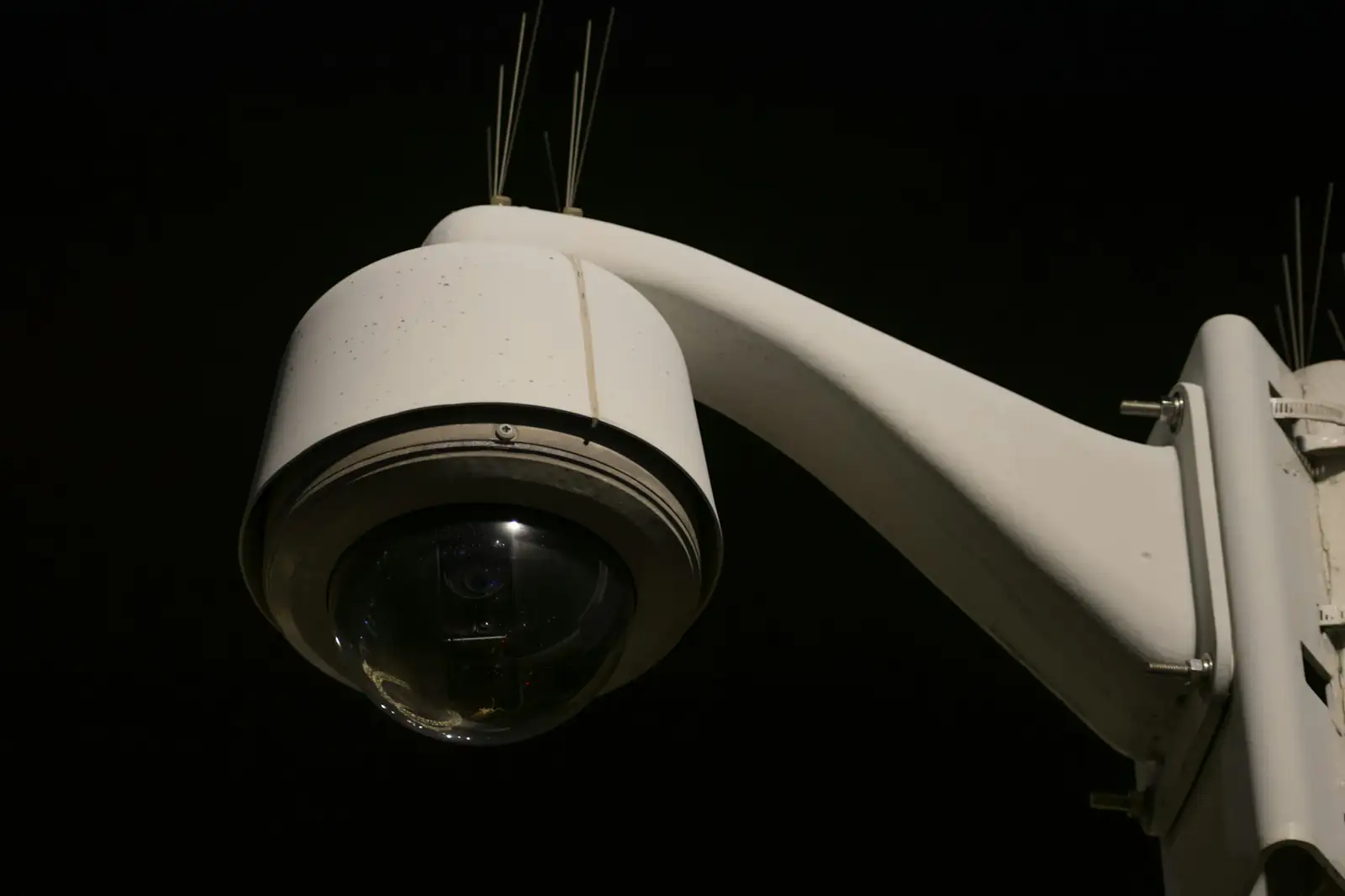
Remote Video Monitoring in Toronto and the GTA
Trained operators watch your cameras live from our Ontario monitoring centre. When someone enters your property after hours, we see it within seconds, warn them through the speaker and call police with a description while they are still on site.
- Live talk-down through on-site speakers
- Police called with verified video, not a guess
- Connects to most existing camera systems
What is remote video monitoring?
Recorded CCTV tells you what happened. We stop it while it is happening.
Remote video monitoring is a security service where operators in an off-site centre watch your CCTV cameras in real time. Analytics flag people and vehicles, an operator confirms the threat, speaks to the intruder through a speaker and dispatches police or your team. Every event is recorded and reported.
It replaces the gap between "the camera saw it" and "someone did something about it". Most break-ins at closed businesses happen between late evening and early morning, when nobody is watching the recorder. A live operator closes that gap for a fraction of what an overnight guard costs.
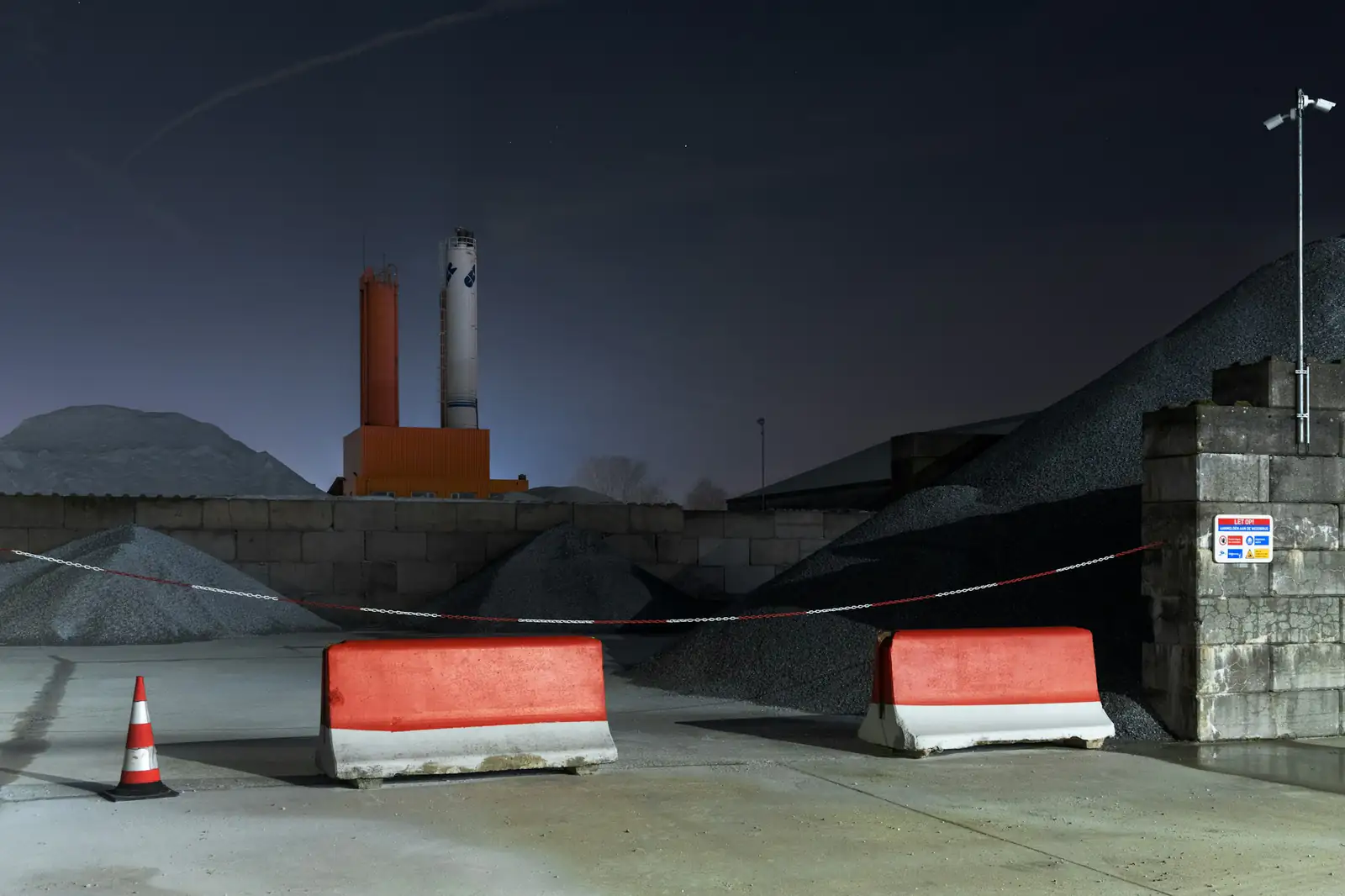
How it works
How remote video monitoring works
Every site gets a written response plan. Operators follow it on every alert, day or night.
Detection
Camera analytics, motion sensors or radar flag a person or vehicle in an area that should be empty.
Verification
An operator opens the live feed and nearby cameras within seconds and decides what is happening.
Voice warning
The operator speaks through the site speaker, describing the person and telling them police are being called.
Dispatch
If they stay, we call police as a crime in progress and notify your keyholders or mobile patrol.
Report
You receive a time-stamped incident report with the video clip for police, insurance and your records.
What we watch for
Events our operators act on
You decide which of these matter at your site and what we do about each one. The plan can change by time of day, for example a loading dock that is busy at 6 p.m. and closed at 11 p.m.
Break-ins and trespass
People climbing fences, forcing doors or walking into closed areas after hours.
Theft of stock and materials
Copper, tools, fuel, catalytic converters, pallets and anything else that walks off at night.
Loitering and vandalism
Groups hanging around entrances, graffiti, damage to vehicles and property.
Vehicles after hours
Cars and trucks entering lots, yards or loading bays outside operating hours.
Safety hazards
Smoke, fire, flooding, open doors and gates, and people in distress on camera.
Camera and connection failures
We are alerted when a camera goes dark or a site goes offline, and follow your plan.
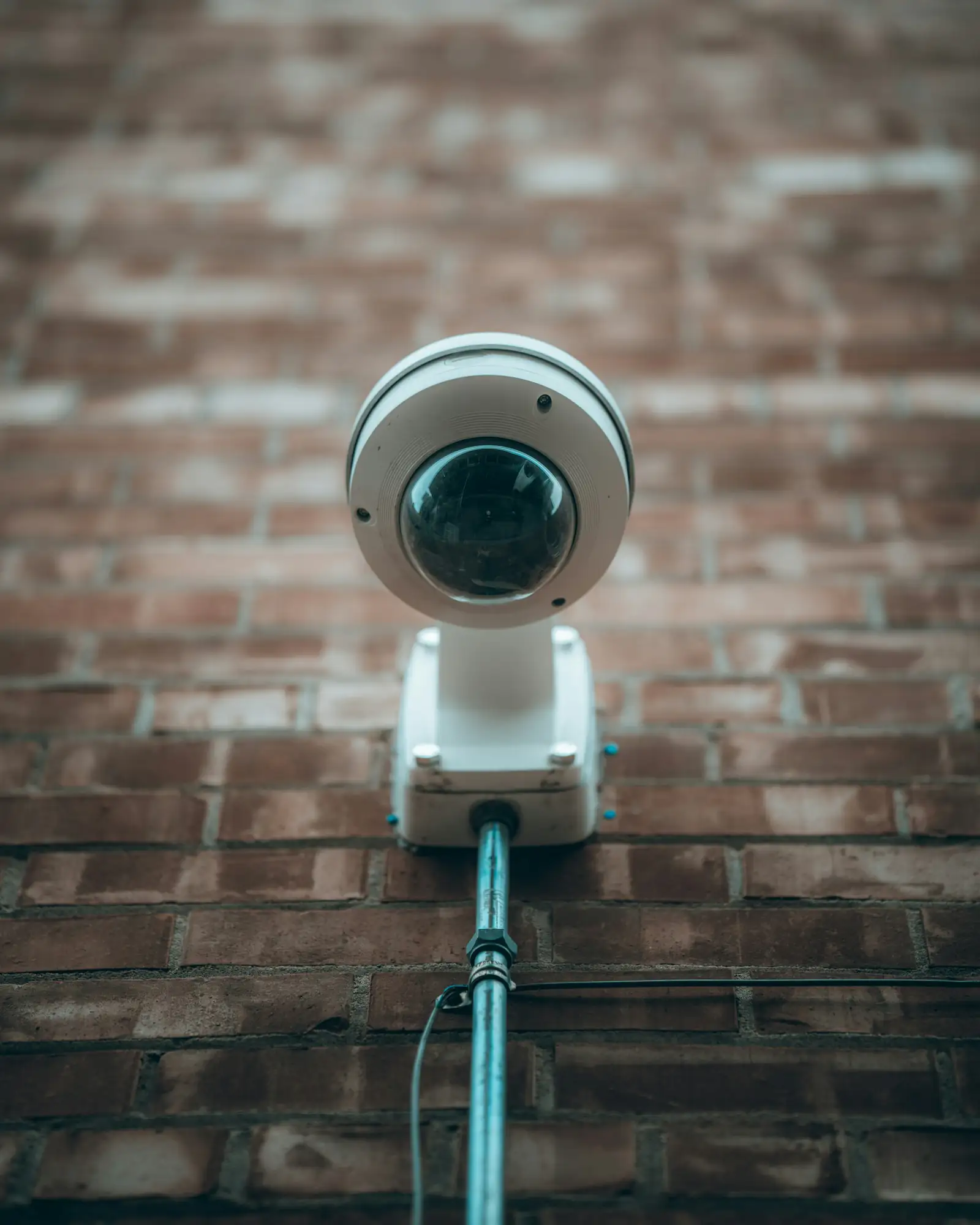
Integrated technology
Equipment we connect to
We monitor the equipment you already have where it is up to the job, and add what is missing.
- IP cameras and recorders from Avigilon, Axis, Hikvision, Pelco and other common brands
- Thermal cameras for long fence lines and dark yards
- Motion sensors, radar and beam detectors on perimeters
- Door and gate contacts, glass break and vibration sensors
- Horn speakers and strobes for live talk-down
- Cloud video analytics that filter wind, animals and headlights
Who it is for
Where remote monitoring makes the biggest difference
Remote video monitoring works best on sites that are empty for part of the day and hold something worth stealing. Each plan is sized to the site, the risk and the hours.
Cost
How much does remote video monitoring cost?
Our plans start at $0.80 per camera per hour. A typical overnight plan for a small site costs a fraction of one on-site guard, who is often billed at $28 to $45 an hour in Ontario. The final price depends on cameras, hours and extras.
You only pay for the cameras and hours you need watched. Many clients start with nights and weekends, then add hours during holidays or busy project phases. There are no long-term contracts.
Get a written price for your site| What sets the price | Why it matters |
|---|---|
| Number of cameras | Each monitored camera is priced per hour of coverage. |
| Hours of coverage | Overnight only, nights and weekends, or 24/7. |
| Analytics | Cameras without analytics may need an upgrade or cloud analytics. |
| Add-ons | Guard tours, alarm verification, access control or concierge. |
Why Supreme Surveillance
Why businesses switch to us
- Ontario-based operators who know local police procedures
- Live intervention, not just alerts sent to your phone
- Written response plan for your site, approved by you
- Incident reports with video evidence after every event
- Guards and mobile patrol available through Supreme Security Services
- No long-term contracts, add cameras or hours any time
Related services
Add to your monitoring plan
Virtual guard tour
Scheduled camera patrols on top of event-based monitoring, with a report for every round.
Learn moreAlarm video verification
We check the cameras when your intrusion alarm trips, so police respond to a verified crime.
Learn moreManaged access control
Doors, fobs and schedules run by the same team that watches your cameras.
Learn moreCase study: Lakeside Shopping Plaza, Mississauga cut vehicle break-ins in its parking lot by 94% with 18 monitored cameras and live voice warnings from 6 p.m. to 8 a.m. Read the story
FAQ
Remote video monitoring questions
What is the difference between remote video monitoring and remote CCTV monitoring?
They mean the same thing. Both describe trained staff watching your security cameras from an off-site centre instead of relying on recordings. Some companies also call it live remote guarding or virtual security.
What does a remote monitoring operator actually do?
The operator reviews alerts from your cameras, watches the live video, decides whether it is a real threat, speaks to intruders through the site speaker, calls police or your contacts, and writes up the incident with the video clip. They follow a response plan written for your site.
Is remote video monitoring better than an on-site security guard?
For empty sites at night, usually yes. An operator watches every camera at once and never has to leave a post to check a noise. It also costs much less. A guard is still the right choice where a person must check IDs, respond to medical calls or be seen on site, and we can combine both.
Can you monitor my existing cameras?
In most cases, yes. We connect to common IP camera systems and recorders, including Avigilon, Axis, Hikvision and Pelco. During the assessment we check image quality at night, coverage and internet upload speed, and tell you if anything needs upgrading.
How fast do you respond to an intrusion?
Operators see an alert as soon as the camera analytics trigger and usually speak to the intruder within seconds. How quickly police arrive depends on the local police service, but a verified crime in progress is treated as a higher priority than an unverified alarm.
Does remote monitoring reduce false alarms?
Yes. An operator checks every alert before anyone is called, so police are only dispatched to real events. That matters in Ontario, where services such as Toronto Police and York Regional Police require alarms to be verified and can bill for false alarms.
Is remote video monitoring available 24/7?
Yes. We monitor around the clock, including weekends and holidays. You can also choose set hours, for example 6 p.m. to 7 a.m. on weekdays and all weekend.
Do you serve areas outside Toronto?
Yes. Because the service is remote, we monitor sites anywhere in Ontario with a reliable internet connection, including Vaughan, Mississauga, Brampton, Hamilton, Barrie, London and Ottawa.
Free site assessment
Get a remote monitoring quote
Tell us about the site. We reply within one business day with coverage options and a monthly price. No obligation.
- Toll free1-877-887-7110
- Office905-761-9992
- Emailinfo@supremesurveillance.com