
- Home
- Industries
- Retail Plazas
Retail Plaza and Parking Lot Security Monitoring in Ontario
Vehicle break-ins, loitering and after-hours dumping can drive customers and tenants away from a plaza. Our operators watch your parking lot and storefront cameras live, warn people through a speaker and call police when a warning is not enough.
- Parking lots, storefronts and rear lanes
- Live voice warnings, not just recordings
- Plans built around closing hours
What is retail plaza security monitoring?
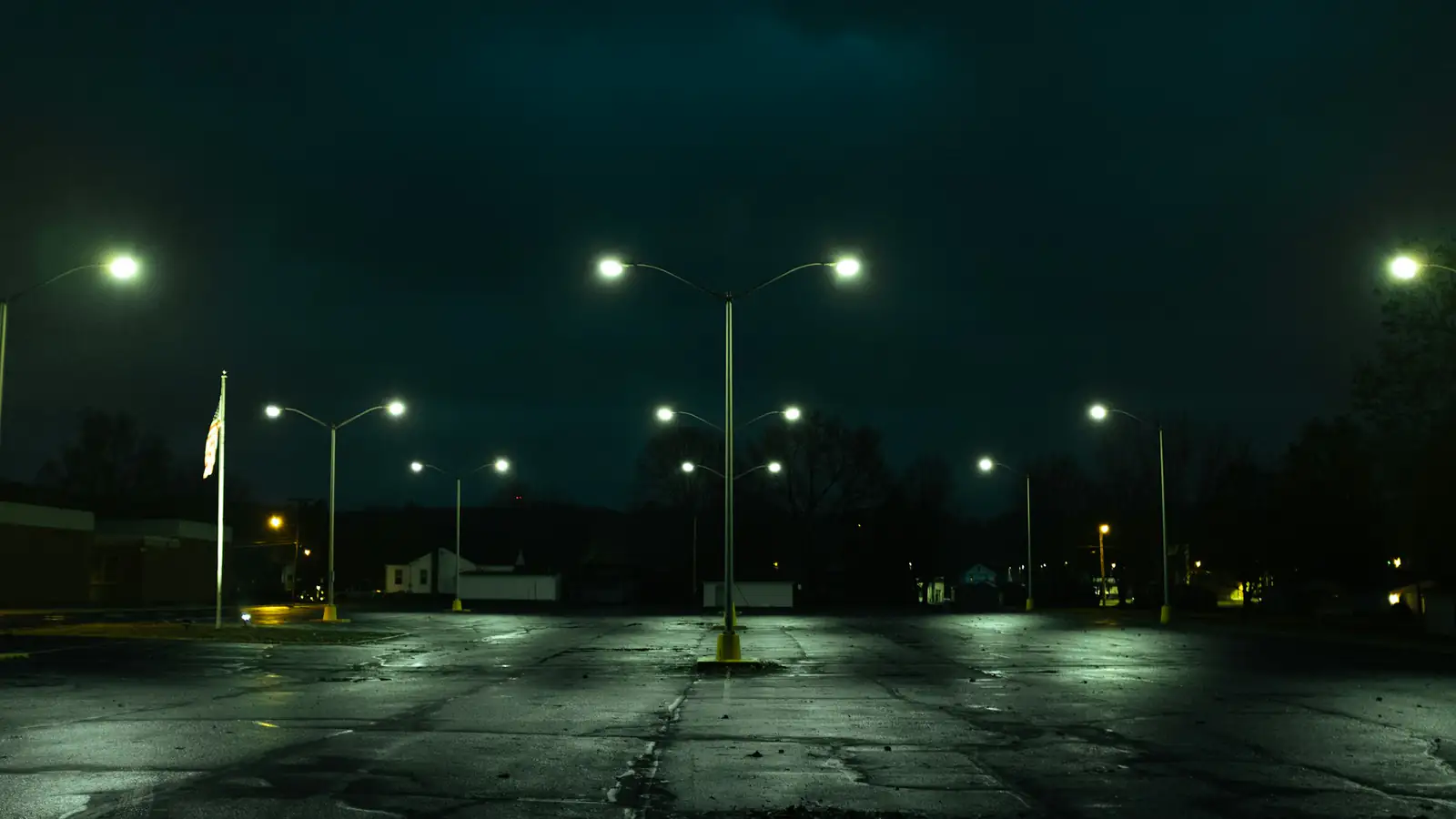
Someone watching the lot after closing
Retail plaza security monitoring connects the cameras around a plaza to operators who watch the parking lot, storefronts and rear lanes during the hours you choose. When they see a problem, they speak through on-site speakers, contact your team and call police when needed.
A plaza is open to the public, so fences and locked gates are rarely an option. A live voice from a speaker tells someone they have been seen, and it can often end the problem without anyone being sent to the site.
Plaza security solutions usually combine cameras, lighting, signs and patrols. Live monitoring adds a person who is watching when something happens and can speak up straight away.
What goes wrong
Parking lot and plaza problems we watch for
Most of these happen after the stores close, when nobody is around to see them or call them in.
Vehicle break-ins
Smashed windows and stolen items in customer and staff parking.
Loitering
Groups gathering by doors, loading areas and rear lanes after closing.
Illegal dumping
Vehicles leaving waste behind the building or beside your bins.
Storefront break-ins
Forced doors and broken glass while tenants are closed.
Vandalism
Graffiti and damage to signs, lights and storefronts.
Fire and safety
Smoke, fire and people in distress spotted on camera and reported.
How it works
Setting up parking lot and plaza monitoring
Site review
We check your cameras, lighting and sightlines across the lot, storefronts and rear lanes.
Response plan
We set hours around tenant closing times, and agree what counts as an incident and who gets called.
Speakers and coverage
We connect your cameras, then add speakers or cameras where they are needed.
Live watch and reports
Operators follow the plan, and you receive clips and a report for each incident.
Recording vs. live monitoring
What changes when someone is watching
| Recording only | Live monitoring | |
|---|---|---|
| When a problem is found | The next day, if someone checks | While it is happening |
| Response at the scene | None | Live voice warning through a speaker |
| Police call | A report after the fact | A call during the incident, with a description |
| For tenants and customers | Footage if it was captured | A site that is actively watched, with incident reports |
Need a person on the property during the day? Our sister company, Supreme Security Services, provides licensed guards and mobile patrol. Budgeting? See what monitoring costs.
Services used at retail plazas
Build the right plan
Case study: Lakeside Shopping Plaza, Mississauga cut vehicle break-ins by 94% with 18 monitored cameras, plate recognition and live voice warnings from 6 p.m. to 8 a.m. Read the story or see security cameras and monitoring in Mississauga.
FAQ
Retail plaza and parking lot security questions
Where should parking lot security cameras go?
Cover every entrance and exit so you can identify vehicles, then add views across the rows where cars park and along rear lanes. Good lighting matters at night. Our site review shows what each camera will see before you decide.
Who usually pays for monitoring at a plaza?
Usually the owner or property manager, because the parking lot and common areas belong to the property. How the cost is recovered from tenants depends on your leases, so check with whoever manages them.
Can you cover only some of the plaza?
Yes. Many plans start with the areas causing problems, such as the back lane or one parking section, and add others later. You pay for the cameras and hours we watch.
Will voice warnings bother customers?
Operators use speakers when they see a real concern, mostly after closing. We agree on the hours and wording with you, and the tone is calm and specific.
Do we need signs about the cameras?
Yes. People should know they are being recorded before they enter the area. Clear signs at entrances are the normal way to give that notice. Our privacy policy explains how we handle video.
Can you monitor a single store instead of a whole plaza?
Yes. We monitor individual stores too. Send us the number of cameras and your closing hours, and we will price it the same way, per camera and per hour.
Can tenants get the video after an incident?
Video goes to the contacts named in your plan, usually the owner or property manager, who decide what to share with a tenant. Police and insurers can receive it through them. This keeps access to recordings limited to people who have a reason to see them.
How quickly can police respond?
That depends on the police service and what else they are handling. Our job is to give them a clear report of a crime in progress, with a description and location, which helps them decide how to respond.
What security solutions work best for a retail plaza?
Most plazas need a mix: cameras on the lot entrances, parking rows, storefronts and the rear service lane, good lighting, signs, and someone who acts when something happens. Live monitoring covers that last part after closing, with voice warnings through speakers and calls to police. A guard or mobile patrol suits plazas that need a visible presence during opening hours.
Free site quote
Protect your retail plaza
Send us the address, the number of cameras and your closing hours. We reply within one business day with a plan and price.
- Toll free1-877-887-7110
- Office905-761-9992
- Emailinfo@supremesurveillance.com